

Pre Purchase Car Inspection: What It Finds
A shiny bonnet and a clean interior can hide plenty. A proper pre purchase car inspection is there to tell you what the seller can’t, or won’t. If you’re buying a used car in Wallsend, Maryland, Newcastle or nearby, spending a little upfront on an inspection can save you from a much bigger repair bill not long after handover.
Used cars are always a bit of a mixed bag. Some have been looked after properly and just need routine servicing. Others have been patched up for sale, overdue for maintenance, or carrying accident damage that does not show up in a quick driveway look-over. That is why a second opinion from a qualified workshop matters.
Why a pre purchase car inspection matters
Most buyers do at least a basic check. They look at the tyres, listen to the engine, check the log book and take it for a short drive. That is sensible, but it is not the same as getting the vehicle checked by a mechanic who knows what wear patterns, leaks, noises and warning signs actually mean.
The real value of a pre purchase car inspection is not just spotting obvious faults. It is understanding the condition of the vehicle as a whole. You want to know whether the car is safe, whether repairs are likely in the near future, and whether the asking price still makes sense once those issues are taken into account.
Sometimes the result is simple. The car checks out well, with only minor wear expected for its age and kilometres. Other times, the inspection shows enough problems to justify negotiating hard or walking away altogether. Either result is useful. It gives you facts instead of guesswork.
What a pre purchase car inspection usually covers
A thorough inspection should look well beyond the basics. The aim is to assess the car’s overall condition, not just whether it starts and drives around the block.
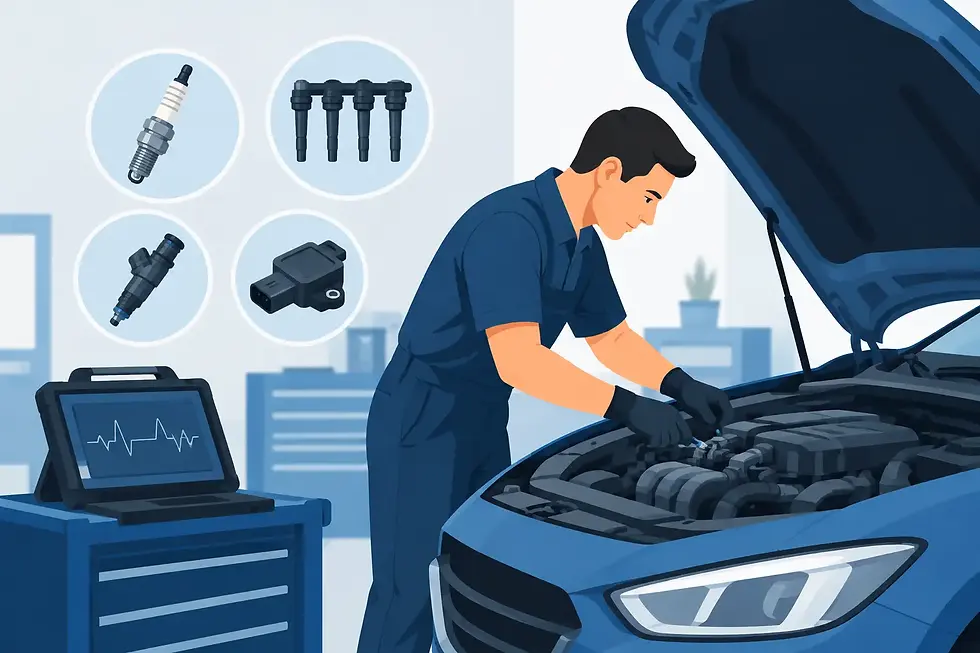
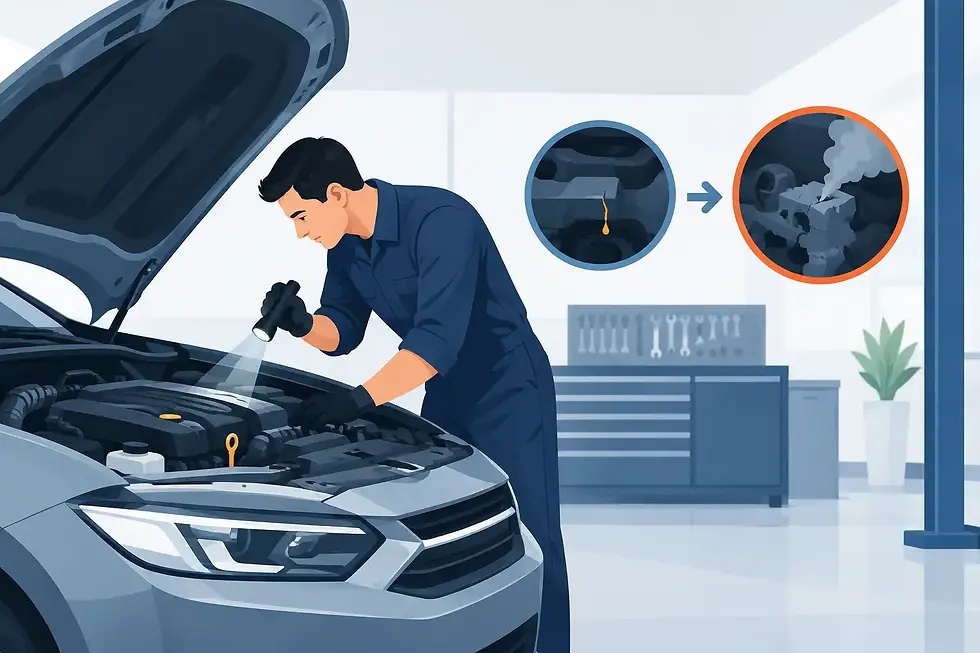
A mechanic will usually check the engine bay for leaks, fluid condition, signs of poor repairs and obvious wear. They will look over belts, hoses, the cooling system and battery condition. Under the vehicle, they will inspect for oil leaks, damage, rust, worn suspension components and issues with steering, brakes or drivetrain parts.
Tyres are another big one. Uneven tyre wear can point to alignment problems, worn suspension, previous accident damage or neglected maintenance. Brake condition matters too, because a car that needs pads and discs soon after purchase can quickly add cost.
Inside the vehicle, an inspection may include warning lights, dash operation, air conditioning, windows, seatbelts and general signs of wear that do not match the stated kilometres. Outside, the body and paintwork can reveal previous repairs, poor panel alignment or signs the vehicle has had a harder life than advertised.
If a road test is part of the inspection, that helps uncover issues that only show up while driving, such as transmission faults, steering vibration, brake shudder, suspension noise or overheating.
What a used car seller might not know - or mention
Not every seller is trying to hide something. Private sellers often just do not know the mechanical condition of the car beyond how it has been driving for them. A vehicle can feel fine on a local trip and still have early signs of expensive trouble.
That is common with cooling system faults, clutch wear, transmission issues and suspension problems. The same goes for older 4WDs, where driveline wear or previous off-road use may not be obvious at first glance. A clean detail job can make a car look cared for, but it does not tell you whether the timing belt is overdue or whether the brakes are nearly done.
This is where a workshop report is useful. It puts the vehicle into plain terms. You get a clearer picture of what needs attention now, what can wait, and what may become a problem later.
Pre purchase car inspection for private sale vs dealer sale
Buyers sometimes assume a dealer vehicle is less risky than a private sale. That can be true, but it is not automatic. A dealer may present the car better and provide more paperwork, but the vehicle still needs to stand up mechanically.
With private sales, the pressure is often stronger because there may be another buyer lined up and less room to think. That is exactly when people skip checks and regret it later.
With dealer sales, the pace can be just as fast. You might be told the car has been workshop tested already. That may be so, but an independent inspection still gives you confidence that the car has been checked in your interest, not just prepared for sale.
What an inspection can save you from
The obvious answer is repair costs, but that is only part of it. A pre-purchase inspection can also save you time, hassle and the frustration of buying a car that spends its first few months off the road.
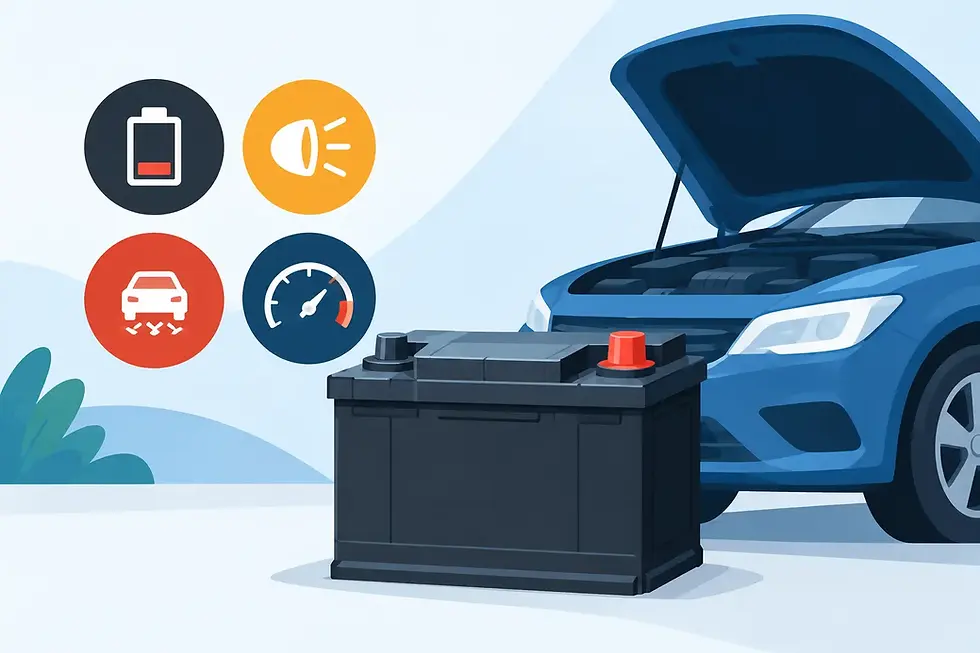
A used car might need tyres, brakes, a battery and a service straight away. None of those items alone are unusual, but together they can add up quickly. Then there are bigger issues such as oil leaks, cooling system failures, worn clutches, transmission faults or suspension repairs. Those are the kinds of surprises that turn a bargain into a headache.
There is also the safety side. If the car has poor brakes, damaged tyres, steering play or worn suspension, that is not just a budgeting problem. It affects how the vehicle handles and whether it is ready for daily driving with your family on board.
It depends on the age, price and type of vehicle
Not every used car purchase carries the same level of risk. A late-model car with a clear service history and low kilometres is generally a different proposition to an older vehicle with patchy records and several previous owners. Even so, newer cars can still have hidden accident repairs, neglected servicing or developing mechanical faults.
The type of vehicle matters as well. A city hatchback, a diesel dual cab, a family SUV and an older 4WD all tend to have different weak points. Some buyers are comfortable taking on minor cosmetic issues or routine maintenance if the price is right. Most are less comfortable when the inspection points to major work.
That is why the result should be read in context. An inspection is not about expecting a used car to be perfect. It is about knowing what you are buying and whether the condition matches the seller’s price.
When to book a pre purchase car inspection
The best time is before you commit, not after you have handed over a deposit and talked yourself into the car. If the seller is genuine, allowing a professional inspection should not be a problem. If they resist or push back hard, that tells you something too.
Ideally, organise the inspection once you have narrowed the car down and before final payment. If the vehicle is in demand, move quickly but do not skip the check just to keep up with another buyer. Rushing is where expensive mistakes happen.
For local buyers, having the car assessed by an experienced workshop in the Newcastle area can make the process simpler. A fixed-price inspection with a detailed report is usually money well spent because it gives you a practical basis for your decision.
What to do with the inspection report
Once you have the report, the next step is not always to walk away. Sometimes the car is still worth buying, but only if the price reflects the repairs or maintenance it needs.
If the issues are minor, you may decide to go ahead and budget for the work. If there are several moderate faults, the report gives you grounds to negotiate. If major problems turn up, especially ones affecting safety or likely to cost thousands, walking away is often the smartest move.
A good report should help you make that call without drama. You want clear advice, not scare tactics.
Choosing the right workshop for a pre purchase car inspection
The inspection is only as useful as the person doing it. You want qualified mechanics who work on a wide range of makes and models, understand common faults and are willing to explain the findings in plain English.
That matters even more if you are buying something outside the ordinary, such as a 4WD, a higher-kilometre diesel, or a vehicle with a complex service history. Experience counts because not every issue is obvious, and not every fault means the same thing.
At Scott Forbes Automotive, that practical approach is exactly the point. Buyers want straight answers, fair pricing and a proper report they can use, not vague comments or a sales pitch.
Buying a used car will always involve some judgement, but it should not be a blind gamble. A pre purchase car inspection gives you a clearer view of what is under the surface, so you can buy with confidence or move on before the costs become yours.
Comments