

What Does a Pre Purchase Inspection Include?
Buying a used car can go bad quickly when the paint looks tidy, the test drive feels fine, and the problems are hiding underneath. If you are asking what does a pre purchase inspection include, the short answer is this: it is a thorough mechanical and safety check designed to show you what you are really buying before you hand over your money.
A proper pre-purchase inspection is not just a quick look around the carpark. It is a practical assessment of the vehicle’s condition, including obvious faults, early warning signs, poor previous repairs and wear that could turn into a costly problem soon after purchase. For buyers around Wallsend, Maryland and Newcastle, it is one of the simplest ways to avoid buying someone else’s headache.
What does a pre purchase inspection include in practice?
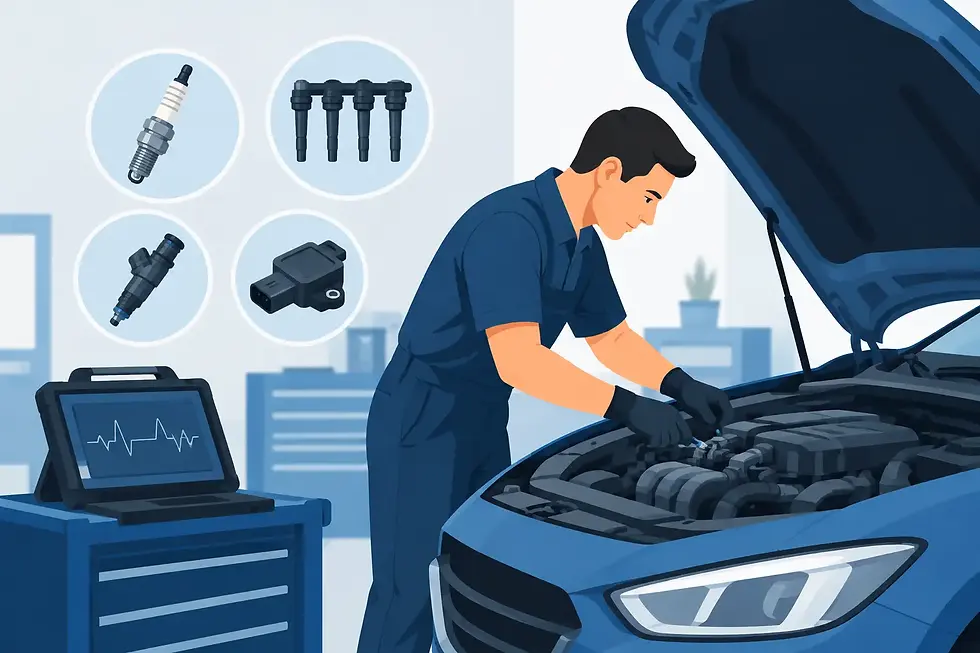
In practice, a pre-purchase inspection covers the major systems that affect safety, reliability and repair costs. That usually starts with the tyres, brakes, suspension, steering and underbody, then moves through the engine bay, cooling system, battery, belts, hoses and fluid condition. The mechanic will also assess signs of leaks, accident damage, uneven wear and anything that suggests the vehicle has not been maintained properly.
The inspection should also include a road test where possible. That matters because some faults do not show up while a car is standing still. Noises over bumps, brake shudder, transmission shift issues, clutch problems, steering pull and overheating signs often become clearer once the vehicle is driven.
Just as important is the report itself. A good inspection does not only point out what is wrong today. It should also give you a realistic picture of what may need attention soon, so you can make a sensible decision about the purchase price or whether to walk away.
The main areas a mechanic checks
Tyres, wheels and brakes
Tyres tell you a lot about how a car has been treated. Uneven tyre wear can point to suspension issues, poor alignment or accident damage. The mechanic will check tread depth, tyre age, matching brands and sizes, and whether the tyres are suitable and roadworthy.
Brakes are another key area. Pads, discs, brake fluid condition and general braking performance all matter. If the car needs brake work straight away, that is money you need to factor in before you buy, not after.
Suspension and steering
A used car might feel acceptable on a short drive but still have worn suspension components or steering play. Shock absorbers, bushes, ball joints, tie rod ends and other parts are checked for wear or damage. In a 4WD or work ute, this matters even more because suspension repairs can add up quickly.
Steering issues are not only a comfort problem. They can affect safety, tyre wear and how the vehicle handles at highway speed. A proper inspection looks beyond whether the wheel turns and focuses on how the whole system is performing.
Engine and cooling system
The engine bay gets checked for leaks, worn belts, cracked hoses, poor repairs and signs of neglect. Fluid condition can reveal a lot. Dirty oil, contaminated coolant or low fluid levels do not automatically mean the car is a disaster, but they can suggest poor maintenance.
The cooling system deserves close attention because overheating can cause major engine damage. A mechanic will look for radiator issues, coolant leaks, hose condition and other signs that the system may not be doing its job properly.
Transmission and driveline
Whether the car is automatic or manual, the transmission is a major cost item if something is wrong. During an inspection, the mechanic looks for harsh shifting, slipping, delayed engagement, clutch wear and driveline noises. In front-wheel drives, rear-wheel drives and 4WDs, they will also pay attention to CV joints, tailshafts, differentials and related components where relevant.
This is one of the areas where a road test helps most. A gearbox can behave very differently under load than it does while idling in the seller’s driveway.
Underbody and leaks
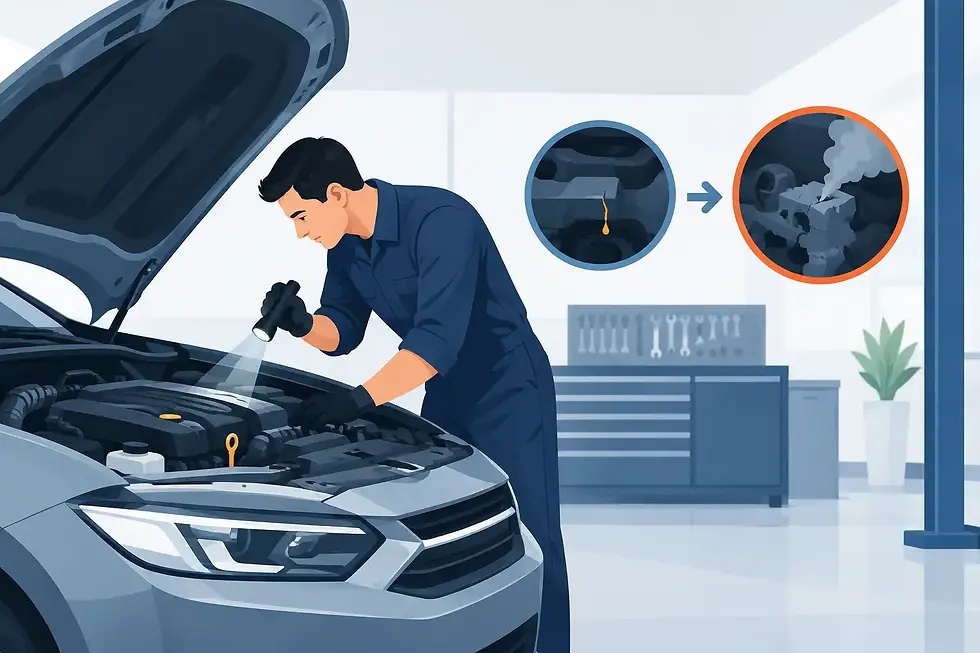
The underside of the vehicle often shows what the top side hides. Oil leaks, coolant leaks, rust, damage from rough use, worn components and poor-quality repairs are easier to spot from underneath. Evidence of impact damage around the underbody can be especially important on low cars, family SUVs and 4WDs that may have seen harder use.
Surface grime is normal on many used vehicles. What matters is whether there are active leaks, structural concerns or clear signs the vehicle has had a hard life.
Battery and electrical items
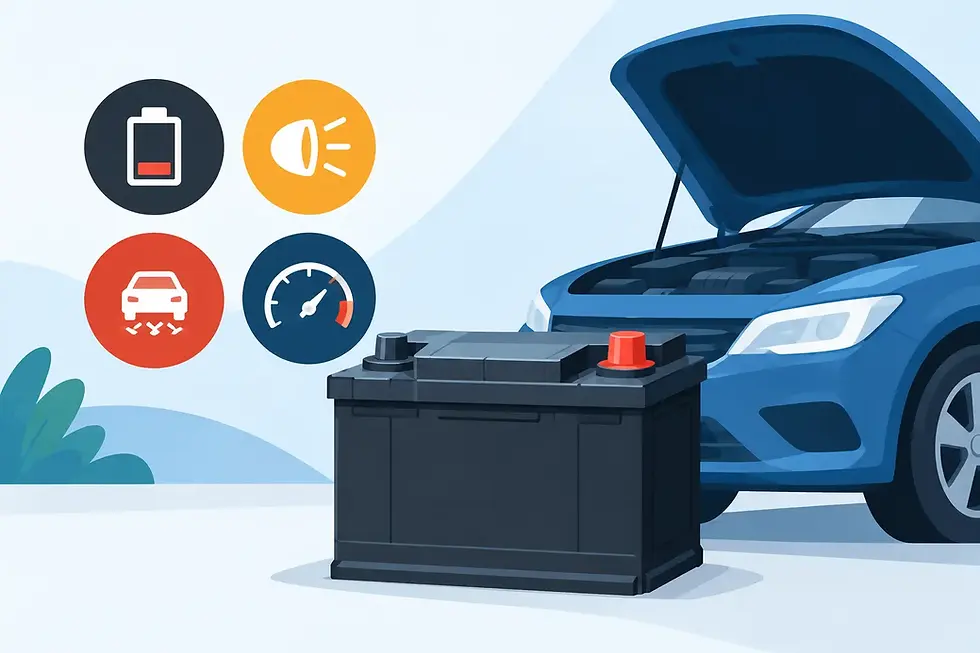
A pre-purchase inspection usually includes a basic check of the battery and visible electrical systems. That can include starting performance, warning lights, charging behaviour and operation of key items such as lights, windows, wipers and air conditioning.
Electrical faults can range from minor annoyances to expensive diagnostic jobs. If the dash is lit up with warning lights, that needs to be understood before you buy, not guessed at later.
What a pre-purchase inspection does not always include
This is where buyers can get caught out. Not every inspection is the same, and not every workshop includes the same level of detail. Some are quick visual checks. Others are much more thorough, with a road test and detailed written report.
A pre-purchase inspection also does not guarantee that every future problem will be found. Some faults are intermittent. Some only show up after more time on the road. Some issues require specialist testing or partial disassembly, which is not part of a standard used-car inspection.
That does not make the inspection less valuable. It just means you should see it as a practical risk-reduction tool, not a crystal ball.
What the report should tell you
A useful report should separate minor issues from major ones. Stone chips, worn wiper rubbers or a cabin filter due for replacement are not in the same category as a leaking head gasket, unsafe tyres or a transmission fault. You want clear advice on condition, safety concerns, likely repair costs and urgency.
The best reports also help with negotiation. If the car is sound overall but needs tyres, brakes and a battery soon, you can use that information to discuss price fairly. If the report shows serious accident damage, engine problems or multiple overdue repairs, it may save you from making an expensive mistake.
For many buyers, that clarity is the real value. You are not paying just to find faults. You are paying to make a better decision.
Why local buyers should not skip it
In the Newcastle area, used cars come from all sorts of backgrounds. Some have been well looked after. Others have spent years doing short trips, towing, school runs, trade work or beachside driving. A car can present well and still have underlying wear that is easy to miss if you are only checking the interior and taking a ten-minute drive.
That is why a fixed-price pre-purchase inspection from an experienced workshop makes sense. A qualified mechanic knows what common faults to look for across different makes and models, whether it is a small hatch, family SUV, diesel 4WD or hybrid. At Scott Forbes Automotive, that practical, workshop-based approach is what gives buyers a clearer picture before they commit.
When an inspection matters even more
Some situations make a pre-purchase inspection even more worthwhile. One is when you are buying privately, where there is usually less consumer protection than buying from a licensed dealer. Another is when the vehicle has incomplete service history, very low kilometres for its age, visible modifications or signs of previous repairs.
It is also smart when the price seems unusually good. Cheap used cars are not always bad cars, but a bargain price can sometimes mean deferred maintenance or hidden problems. Spending a modest amount on an inspection can save thousands in repairs.
A small cost that can prevent a big one
The real point of a pre-purchase inspection is not to expect a perfect used car. Most used vehicles will have some wear, and that is normal. The goal is to understand the condition of the car, know what needs attention, and avoid buying something unsafe or uneconomical.
If you are serious about a vehicle, get it checked before you buy. It is far better to spend a little time and money upfront than to find out the hard way that the cheap car you just bought needs brakes, tyres, suspension and a cooling system repair in the first month.
Comments