
How to Maintain Car Cooling System Properly
Most cooling system trouble starts small - a slow leak, old coolant, a soft hose, a cap that no longer holds pressure. Leave it long enough and you can end up on the side of the road with an overheating engine and a repair bill that could have been avoided. If you want to know how to maintain car cooling system components properly, the good news is it is mostly about regular checks, using the right coolant, and not ignoring early warning signs.
For everyday drivers around Wallsend, Maryland and Newcastle, the cooling system is easy to overlook because you do not see it working. But it has a critical job. It keeps the engine operating within a safe temperature range, helps prevent internal damage, and supports reliable performance in traffic, on longer highway runs, and when towing or carrying extra load.
How to maintain car cooling system parts before they fail
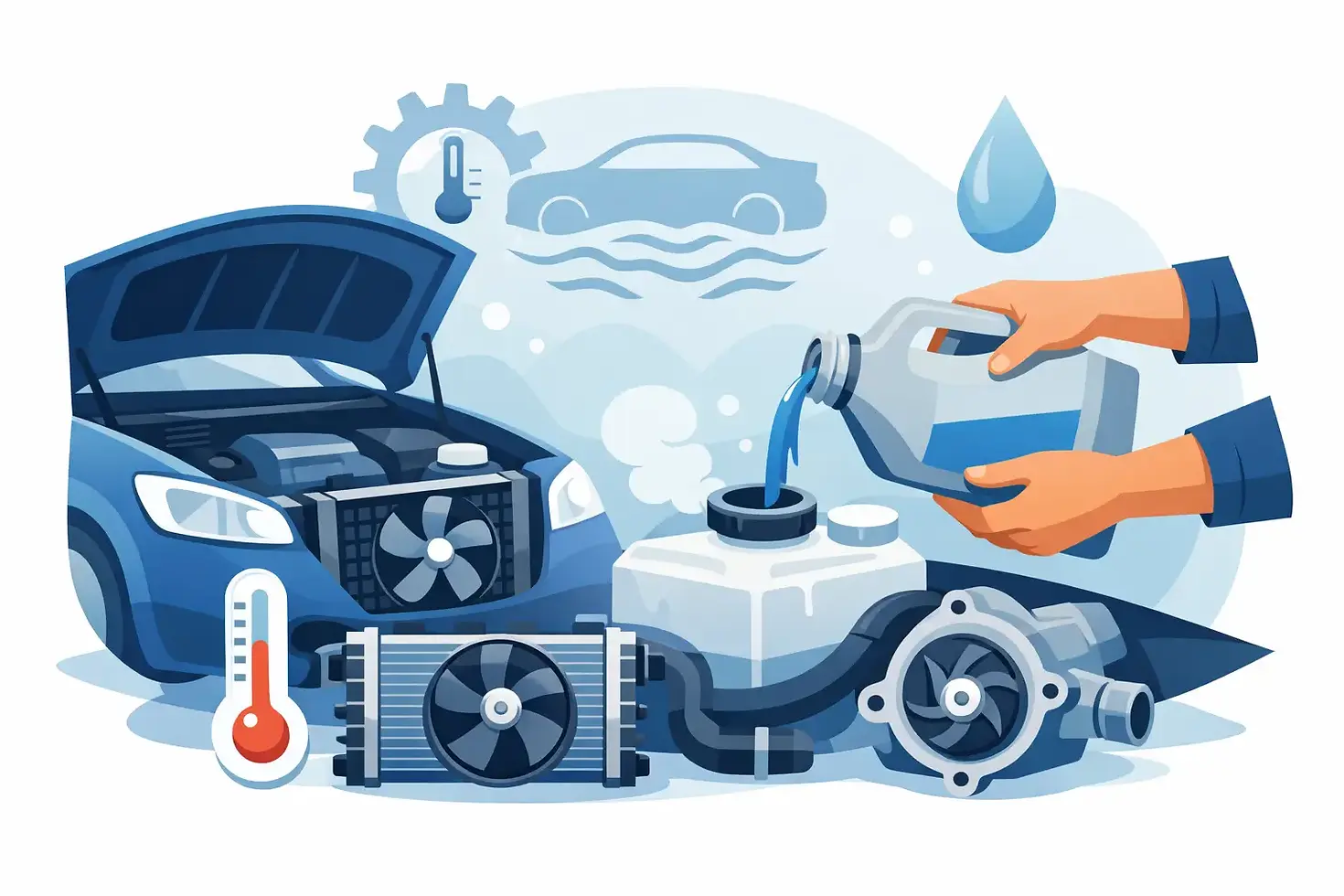
A car cooling system is made up of several parts working together, not just the radiator. Coolant moves through the engine and radiator, carrying heat away from the motor. The water pump keeps that coolant circulating. The thermostat regulates flow based on engine temperature. Hoses, clamps, the radiator cap, fans and overflow bottle all play their part as well.
That matters because overheating is not always caused by one dramatic failure. Often it is a combination of wear and neglect. Coolant breaks down over time. Hoses harden or soften with age. Small leaks around hose joins or the radiator tank can gradually lower coolant level. A sticking thermostat or weak cap can also upset the system without much warning.
The most useful habit is to check the system as part of normal vehicle maintenance rather than waiting for the temperature gauge to climb. A quick look under the bonnet every few weeks can tell you a lot. If the coolant reservoir is low, if there is dried residue around hose connections, or if there is a sweet smell after driving, it is worth getting looked at before it turns into a bigger issue.
Start with the coolant, not just the radiator
One of the most common mistakes is topping up with plain water and assuming that is enough. Water may help in an emergency, but it is not a long-term substitute for the correct coolant. Proper coolant does more than help control temperature. It also protects against corrosion inside the radiator and engine, lubricates the water pump, and raises the boiling point of the fluid.
Different vehicles require different coolant types, and mixing the wrong formulations can create problems. Some coolants are not compatible with others, and using the wrong one can reduce corrosion protection or cause sludge to form. That is why the safest option is to check the manufacturer specifications or have a qualified mechanic supply the correct coolant during servicing.
Coolant also has a service life. It does not stay effective forever. Even if the level looks fine, the additives that protect the system can wear out over time. In many cars, coolant should be replaced at scheduled intervals rather than simply topped up as needed. That interval depends on the make, model and coolant type, so there is no one-size-fits-all rule.
Check for leaks where they usually start
Leaks are often easiest to catch before they become obvious. You might notice a few drops on the driveway, staining around the radiator, or white or pink crusty residue where coolant has dried. Hoses are a common failure point, especially on older vehicles or cars that have done plenty of kilometres in stop-start traffic.
Squeeze the radiator and heater hoses gently when the engine is cold. If they feel excessively soft, brittle, swollen or cracked, they may be due for replacement. Pay attention to clamps as well. A cheap clamp can cause an expensive overheating problem if it loosens off and allows coolant to escape under pressure.
Radiators can also develop leaks at the tanks or core, and plastic end tanks become more vulnerable with age. The water pump is another area to watch. If it starts leaking, you may see coolant around the pump housing or hear bearing noise. In some cases, the first clear sign is rising engine temperature.
Watch the temperature gauge and warning signs
A healthy cooling system usually gives some warning before complete failure, but only if you pay attention. If the temperature gauge starts running hotter than normal, do not ignore it just because the car still drives. A small change can be the first clue that coolant is low, the thermostat is sticking, or the fans are not cutting in properly.
Other signs include poor heater performance, steam from under the bonnet, coolant smell in or around the vehicle, visible leaks, or a dashboard warning light. If the engine overheats, pull over safely as soon as you can and switch it off. Continuing to drive an overheating car can lead to warped cylinder heads, blown head gaskets and major engine damage.
It also depends on the type of driving you do. A vehicle that runs fine on open roads might struggle in traffic if the cooling fan is faulty. A 4WD or family car carrying extra weight, towing, or climbing long grades can expose cooling issues faster than normal commuting will.
How to maintain car cooling system performance in NSW conditions
Local conditions make a difference. In Newcastle and surrounding suburbs, plenty of vehicles deal with stop-start traffic, warm weather, and mixed driving between suburban roads and longer coastal or inland trips. That puts steady demand on the cooling system, especially in older cars and 4WDs.
If you regularly tow, carry tools for work, or use your vehicle for weekend trips, it is worth being more proactive with inspections. Heat load increases when the engine is working harder, and a cooling system that is only just coping in winter may show its weakness in summer.
This is where routine servicing matters. A proper inspection does more than check coolant level. It should include pressure testing where needed, checking for leaks, inspecting hoses and clamps, confirming fan operation, and assessing the condition of the coolant itself. For many drivers, that is more practical than trying to guess the health of the system by looking at the overflow bottle alone.
Do not forget the radiator cap, thermostat and fans
Some of the most overlooked parts in the cooling system are also some of the most important. The radiator cap helps maintain pressure, which raises the boiling point of the coolant. If the cap is weak or damaged, coolant can escape or boil earlier than it should, even when the rest of the system seems sound.
The thermostat controls when coolant starts flowing through the radiator. If it sticks closed, the engine can overheat quickly. If it sticks open, the engine may run too cool, which affects efficiency and can lead to poor heater performance. Neither issue is ideal, and both are difficult to confirm without proper testing.
Cooling fans are especially important in traffic and at idle. At highway speed, air moves naturally through the radiator. Sitting at lights is different. If the thermo fan is not working correctly, the temperature can rise surprisingly fast. Drivers often notice this pattern before they realise the fan system is at fault.
Servicing is cheaper than overheating repairs
When people put off cooling system maintenance, it is usually to save money in the short term. The trouble is that overheating damage is rarely cheap. A hose, thermostat, cap or coolant change is one thing. Cylinder head repairs, head gasket replacement or full engine work is another.
That is why cooling system checks are best handled as preventative maintenance, not emergency work. It is also why log book servicing matters. If cooling system inspections and coolant replacement are part of the schedule, following that schedule helps protect both vehicle reliability and your statutory warranty where applicable.
For second-hand car owners, this is even more relevant. If you have recently bought a used vehicle and do not know when the coolant was last replaced or whether the right type was used, it is sensible to have the system inspected sooner rather than later. Assumptions are where a lot of expensive mechanical problems begin.
A dependable workshop will tell you what actually needs attention and what can wait. That straightforward approach matters. At Scott Forbes Automotive, that means practical advice, qualified mechanics, and repairs based on condition and testing rather than guesswork.
If your temperature gauge has started creeping up, your coolant level keeps dropping, or your vehicle is due for a service, deal with it before it becomes a roadside problem. A cooling system does not need much attention when it is healthy, but it does need the right attention at the right time.


Comments