
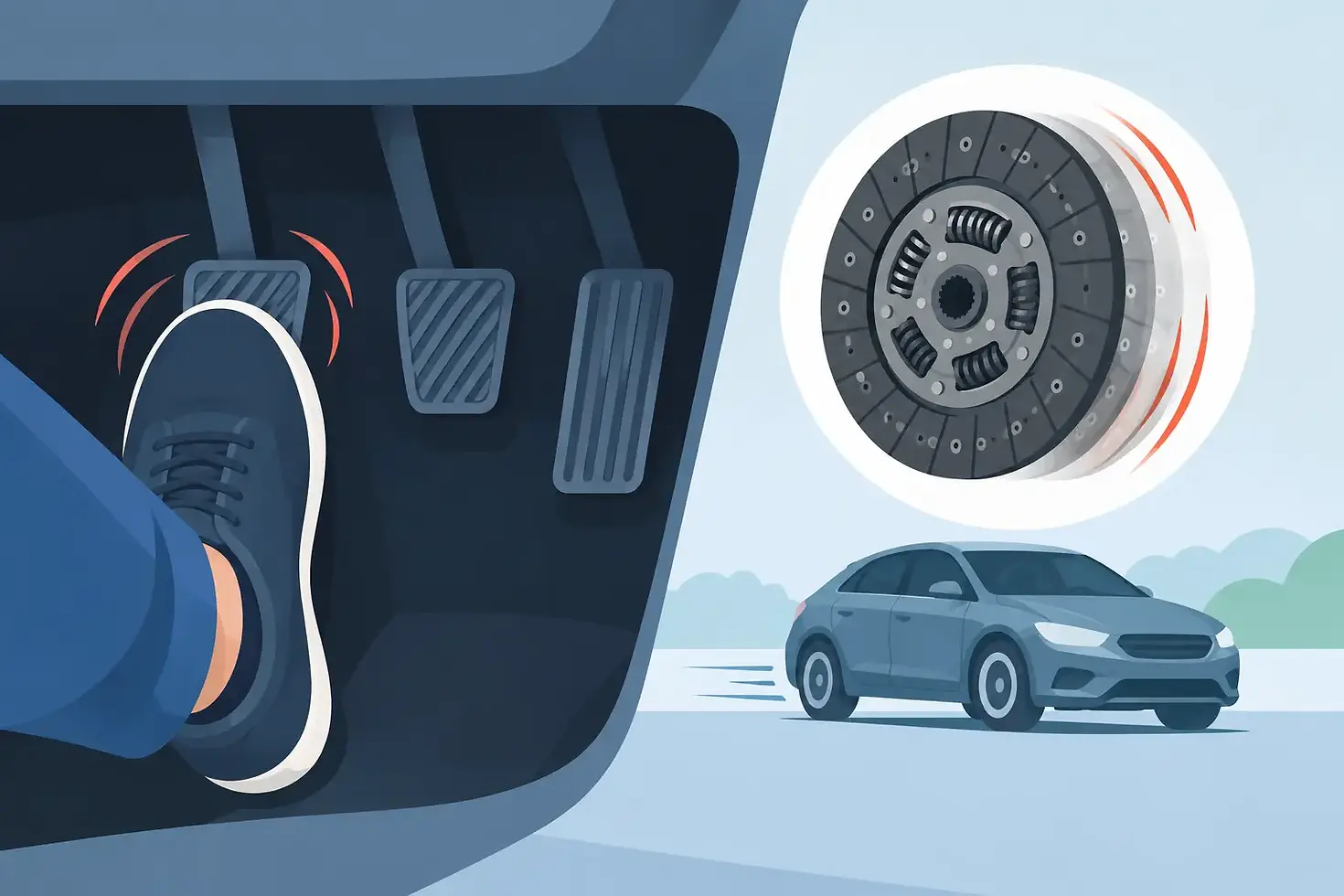
How to Recognise Clutch Slipping in Your Car
You might first notice it while joining the freeway, climbing a hill or towing a loaded trailer: the engine revs rise, but the car does not pick up speed as it should. Knowing how to recognise clutch slipping early can save you from being stranded, reduce the risk of further damage and help you plan a repair before a small issue becomes an expensive one.
A slipping clutch is not usually something that fixes itself. In a manual vehicle, the clutch transfers engine power to the gearbox and then to the wheels. When its friction material is worn, contaminated or not applying enough pressure, it cannot hold that power properly. The result is lost drive, excess heat and increasingly unreliable performance.
What clutch slipping feels like on the road
The classic symptom is a mismatch between engine speed and road speed. You press the accelerator, the rev counter climbs quickly, but the vehicle feels slow to respond. It can feel as though the engine has plenty of effort but the car is not putting it to the ground.
This is often most obvious in higher gears. At a steady speed on a clear road, a vehicle with a healthy clutch should accelerate cleanly when you apply more throttle. If the revs flare before the car gains speed, particularly in fourth, fifth or sixth gear, the clutch may be slipping.
You may also notice it under load. A worn clutch can seem acceptable during gentle suburban driving but slip when climbing a steep Newcastle hill, carrying passengers and tools, towing, or accelerating onto the M1. That is because more torque is being asked of the clutch.
Clutch slip is sometimes intermittent at first. It may only happen once the vehicle is warm, after a long drive or during hard acceleration. Do not assume that an occasional flare in revs is harmless. Heat can make an already worn clutch lose grip more easily, and repeated slipping accelerates wear.
Signs that help you recognise clutch slipping
Engine revs rising without matching acceleration is the main sign, but it is not the only one. Pay attention to changes in how the clutch pedal feels and how the car behaves in normal traffic.
A burning smell is a common warning. It is often described as similar to burnt paper, overheated brakes or an electrical smell. The smell comes from the clutch friction material overheating. You might notice it after hill starts, heavy towing, stop-start traffic or trying to accelerate hard in too high a gear.
The clutch engagement point can also change. If the car only starts moving when the pedal is almost fully released, the clutch may be near the end of its service life. A high bite point alone does not prove the clutch is slipping, as pedal adjustment and hydraulic issues can affect the feel, but it is worth checking alongside other symptoms.
Other signs can include difficulty getting moving smoothly, shuddering as the clutch takes up, or a pedal that feels unusually soft, spongy or inconsistent. Shudder is not always clutch slip. It can be caused by a worn flywheel, damaged engine mounts, oil contamination or faults in the clutch hydraulic system. A proper inspection matters because the repair needed depends on the cause.
Why a clutch starts slipping
Normal wear is the most common reason. Every time a manual clutch is used, a small amount of friction material wears away. Its lifespan varies widely. A vehicle used mainly on open roads may get far more kilometres from a clutch than one used in peak-hour traffic, on hills or for regular towing.
Driving habits make a difference. Resting your foot on the clutch pedal, holding the car on a hill with the clutch instead of the brake, or slipping the clutch for long periods in traffic creates heat and wears the plate faster. That does not mean every worn clutch is caused by poor driving. Age, kilometres, vehicle design and the type of work the car does all play a part.
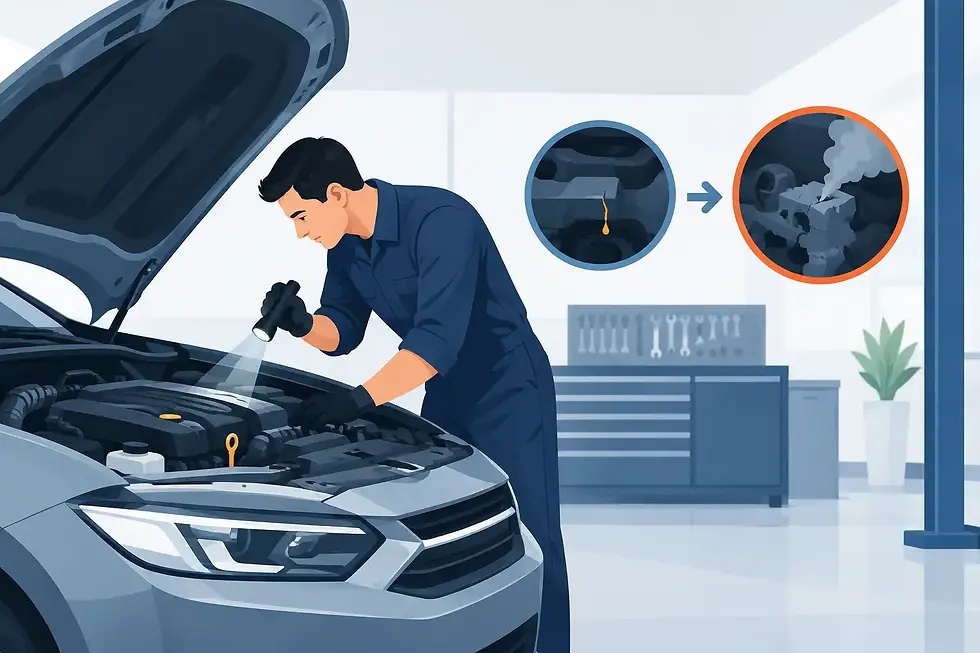
Oil or fluid contamination can also cause slipping. A leaking rear main engine seal or gearbox input shaft seal may allow oil onto the clutch disc. In that situation, replacing only the clutch plate without addressing the leak can lead to the same problem returning.
Faults in the hydraulic system, clutch cable or release mechanism can prevent the clutch from clamping correctly. Weak pressure plate springs, a damaged flywheel, or an incorrect previous repair may also be involved. This is why a quote based only on a quick symptom description can be misleading. The workshop needs to assess the vehicle and confirm what has failed.
A sensible check you can make safely
There are a few observations you can make while driving normally, but avoid aggressive home tests that place unnecessary load on the clutch, gearbox or engine. Do not attempt a test in traffic, on a steep hill or while towing.
On a quiet, flat road with the engine at operating temperature, drive in a higher gear at low to moderate revs and apply the accelerator firmly. If engine revs jump but road speed does not follow straight away, arrange an inspection. If there is a burning smell, severe loss of drive or the vehicle struggles to move, stop driving where safe and seek advice rather than trying to nurse it home.
Do not confuse normal turbo lag, a delayed automatic transmission shift or traction control intervention with clutch slip. A conventional automatic has different internal components, while some modern vehicles use dual-clutch transmissions that can show clutch-related faults. The symptoms and repair process vary by vehicle, so accurate diagnosis is essential.
When to book a clutch inspection
Book the car in promptly if slipping happens more than once, if you can smell burning, or if the issue affects overtaking, hill climbing or getting away from intersections. A slipping clutch can deteriorate quickly once it begins to overheat. Continued driving may damage the flywheel and can leave you without reliable drive at the worst possible time.
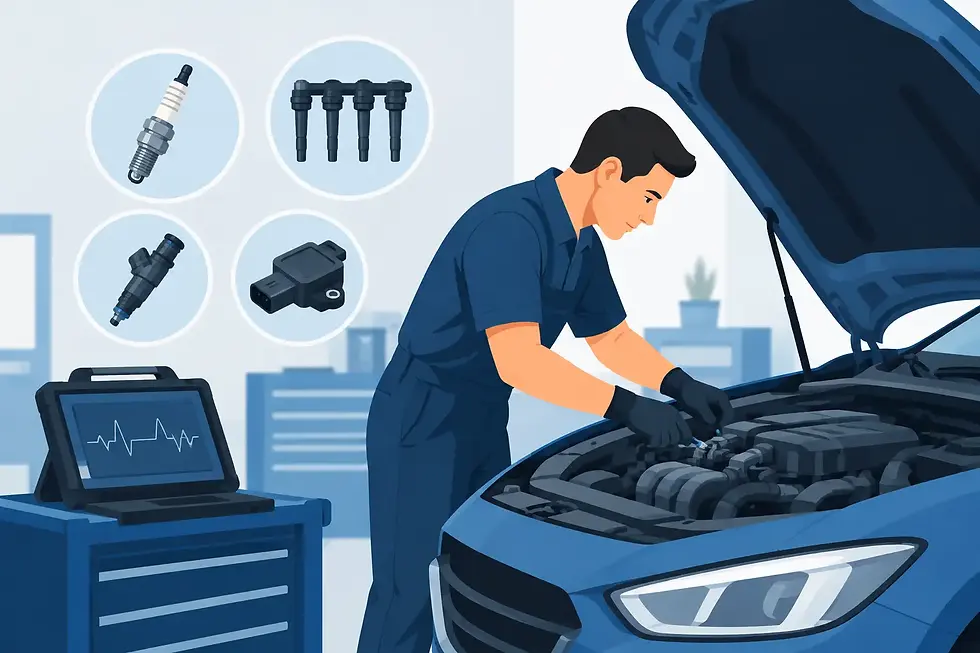
At Scott Forbes Automotive, a clutch inspection starts with the symptoms you have noticed, how the vehicle is used and a road test where appropriate. Qualified mechanics can check the clutch operation, hydraulic components, gearbox concerns and related leaks before recommending the work required. If a clutch replacement is needed, it is also the right time to inspect related parts such as the flywheel, release bearing and clutch hydraulics, rather than fitting parts that may not last.
For work utes, 4WDs and vehicles used for towing, choosing the right replacement clutch matters. A heavy-duty clutch may suit regular towing or higher loads, but it can have a firmer pedal feel and is not automatically the best option for every daily driver. The aim is a repair that suits the vehicle and how you actually use it, not an unnecessary upgrade.
Can you keep driving with a slipping clutch?
It depends on how severe the slipping is, but it is rarely wise to delay for long. Mild symptoms may allow you to drive carefully to a workshop, avoiding heavy loads, steep hills and hard acceleration. However, the clutch can fail completely with little warning once it is badly worn or overheated.
If the vehicle cannot accelerate safely, smells strongly of burning, shudders heavily, makes unusual noises when the pedal is pressed, or will not select gears properly, do not keep driving it. Arrange professional advice. The cost and inconvenience of acting early are generally far less than dealing with additional damage or a breakdown.
A clutch should feel predictable every time you leave the driveway. If your revs are getting ahead of your vehicle, have it checked before the next hill, school run or highway merge turns a manageable repair into a bigger problem.
Comments