

Transmission Repair Options: What Suits Your Car?
A transmission problem rarely arrives at a convenient time. It might start with a delayed shift on the school run, a shudder while towing, a warning light before work, or a vehicle that simply will not select a gear. Knowing the available transmission repair options helps you make a sensible decision before a small fault becomes a major expense.
For drivers around Wallsend, Maryland and Newcastle, the right answer depends on the type of transmission, the cause of the fault, the vehicle’s age and condition, and how you use it. A service may be all that is needed. In other cases, a targeted repair, rebuild or replacement is the more reliable path. The key is proper diagnosis first, not guessing.
Start With a Proper Transmission Diagnosis
A transmission is a complex system of mechanical parts, hydraulics, electronics and fluid. Modern automatic transmissions may rely on sensors, solenoids, valve bodies and control modules as much as gears and clutches. Manual vehicles have a different set of likely faults, often involving the clutch, hydraulic components or gear selection system.
Symptoms can point in a general direction, but they do not confirm the repair. Slipping can be caused by worn internal clutches, low or degraded fluid, a faulty solenoid or an electrical issue. A harsh shift may relate to transmission wear, but it can also come from an engine fault, a damaged mount or software calibration.
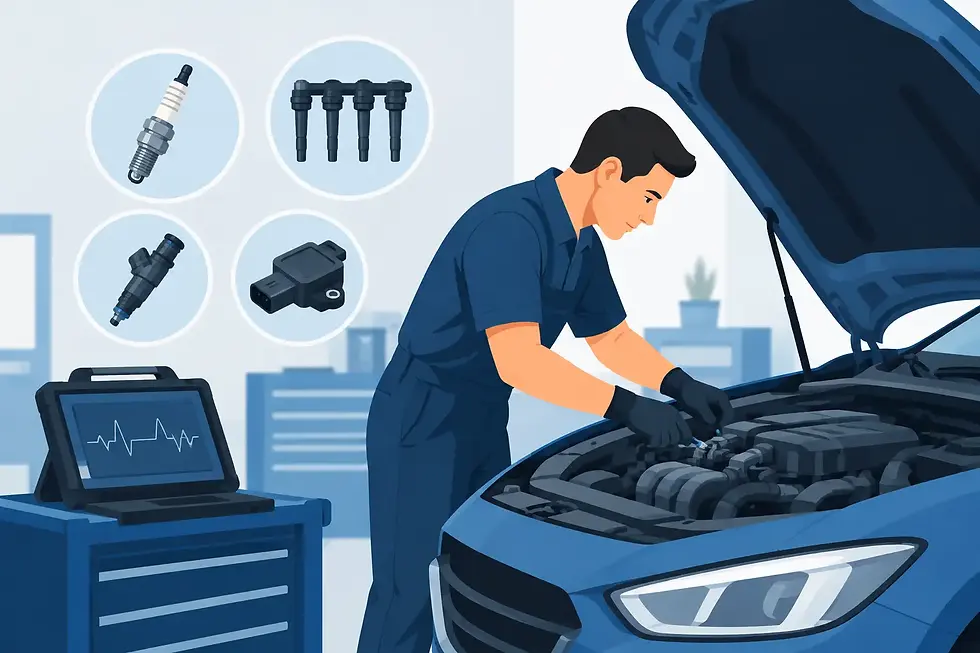
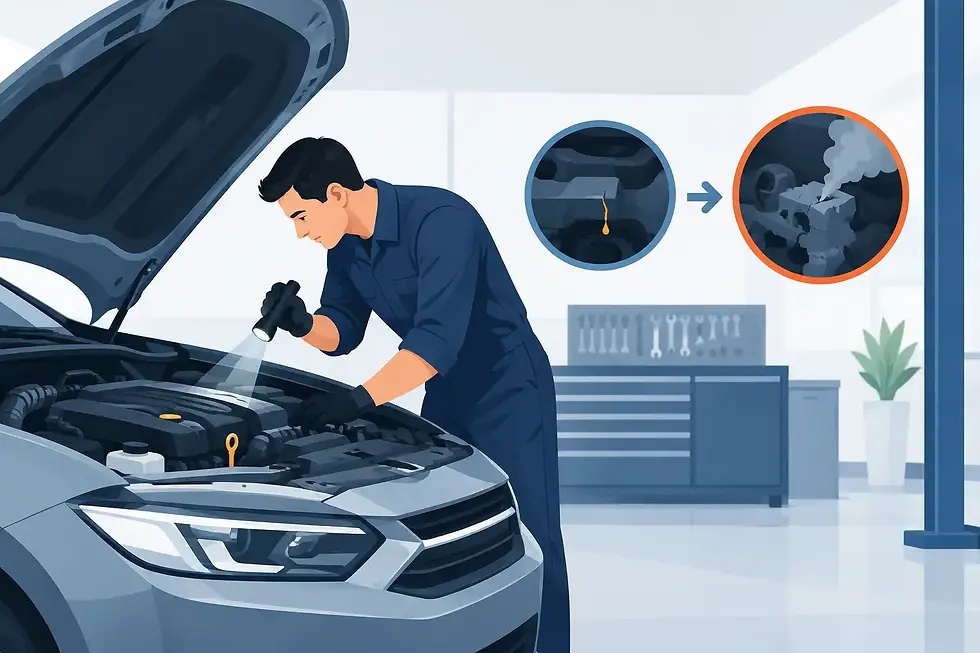
A workshop should road test the vehicle where safe, scan for fault codes, inspect for leaks and assess the fluid condition. From there, the mechanic can explain what has failed, what must be repaired now, and whether there are any sensible preventative items to consider while the vehicle is apart.
Transmission Repair Options Explained
Transmission service and fluid replacement
For some vehicles, a transmission service is the most cost-effective option. This can include replacing the specified transmission fluid, filters where applicable, sump gaskets and related seals. Fresh, correct-specification fluid helps with lubrication, cooling and hydraulic operation.
A service is maintenance, not a cure for every fault. If the transmission is already slipping badly, making metal debris or failing to engage gears, changing the fluid alone will not restore worn internal components. It may still form part of the repair process, but customers should be wary of anyone promising that a basic flush will fix every transmission issue.
Service intervals vary widely between makes and models. Some manufacturers describe their fluid as long-life, yet vehicles used in stop-start traffic, hot conditions, towing or regular 4WD work can place extra strain on it. Checking the manufacturer requirements and the vehicle’s service history is the practical approach.
External repairs and electronic faults
Not every transmission issue requires the gearbox to be removed. Leaking cooler hoses, worn seals, damaged wiring, faulty sensors, shift cables and transmission mounts can often be repaired externally. Automatic transmissions may also develop faults in solenoids or valve body components that affect shift quality.
This is often the preferred outcome because it addresses the fault without the cost of a full overhaul. However, it only makes sense when testing supports that diagnosis. Replacing parts at random can quickly become expensive and still leave the original problem unresolved.
Electronic diagnosis matters particularly on late-model cars, dual-clutch transmissions and CVTs. A warning light, limp mode or erratic shifting may be linked to a control issue rather than hard internal damage. Some repairs also require programming, relearning or adaptation procedures once the work is completed.
Clutch repair or replacement for manual vehicles
If your manual car revs rise without corresponding acceleration, struggles to engage gears, has a heavy pedal or makes noise when the clutch is pressed, the issue may be the clutch rather than the transmission itself. The clutch is a wear item and eventually needs replacement, especially in vehicles used for city driving, towing or regular hill starts.
A proper clutch repair may include the clutch disc, pressure plate, release bearing and, where needed, the flywheel or hydraulic components. Replacing only the most obvious failed part can be a false economy when the gearbox has already been removed. The condition of related components should be checked so the job lasts.
Transmission rebuild
A rebuild is considered when the transmission has significant internal wear or damage but the main housing and major parts are suitable for reconditioning. The transmission is removed and dismantled, worn components are replaced, and the unit is reassembled to specification.
A rebuild can be a worthwhile option for a vehicle that is otherwise in good condition and worth keeping. It may be preferable for a well-maintained family car, a capable 4WD or a vehicle with known history where the owner wants confidence in the repair.
The trade-off is cost and downtime. The final scope can depend on what is found inside the transmission, such as worn clutch packs, damaged gears, bearing failure or contamination. A clear explanation of likely costs, possible additional findings and warranty terms helps avoid surprises.
Replacement transmission
Replacement may involve a new, reconditioned or used transmission. The best choice depends on availability, budget and the condition of the vehicle.
A new unit can offer the strongest option where available, but it is often the most expensive. A reconditioned unit may provide a good balance of cost and reliability, particularly when it comes with suitable warranty support. A used transmission can be cheaper upfront, though its history is often unknown and it may carry more risk than a rebuilt or reconditioned unit.
Replacement is not just a matter of fitting another gearbox. The workshop should identify why the original unit failed, inspect the cooling system where relevant, check driveshafts and mounts, and ensure the correct fluid and setup procedures are used. If the original problem was caused by overheating or an external fault, fitting another transmission without fixing the cause can lead to the same result again.
Which Option Makes Financial Sense?
The cheapest repair is not always the best value, and the largest repair is not always justified. A fair decision weighs the repair estimate against the vehicle’s overall condition, market value, safety, reliability and your plans for the car.
If a vehicle has a sound engine, good body, acceptable tyres and brakes, and you know its maintenance history, a rebuild or quality replacement can be a practical investment. This is particularly true if replacing the vehicle would mean taking on finance or buying another used car with unknown issues.
On the other hand, if the vehicle needs major work in several areas at once, it may be worth discussing the repair honestly before committing. A good mechanic should give you the facts and let you decide, rather than pushing a repair that does not suit your circumstances.
For a 4WD or work vehicle, consider how it is used. Towing, carrying loads, beach driving and regular off-road work all place higher demands on transmissions. Repair choices should suit the vehicle’s job, not only the lowest initial price.
Signs You Should Book It In Soon
Transmission faults are easier to manage when addressed early. Book an inspection if you notice slipping, delayed engagement, shuddering, harsh or missed shifts, whining or grinding noises, fluid leaks, a burning smell, difficulty selecting gears, or a transmission warning light.
Do not keep driving if the vehicle will not select gears properly, loses drive unexpectedly, overheats or makes severe mechanical noises. Continuing to drive can turn a repairable issue into substantial internal damage. It can also leave you stranded or create a safety problem in traffic.
If you have just bought a second-hand vehicle and notice questionable shift quality, arrange an assessment promptly. Early diagnosis gives you a clearer picture of the fault and can help you make decisions before the issue worsens.
Get Straight Answers Before Approving Work
Before authorising transmission work, ask what testing has been carried out, what fault has been identified, whether the quote covers fluid and associated parts, and what warranty applies to parts and labour. You should also understand whether the price is fixed or whether internal inspection may reveal additional work.
At Scott Forbes Automotive, the focus is on explaining the condition of your vehicle in plain language and recommending work that makes sense for it. Whether your car needs a service, clutch work, an external repair or further transmission repairs, getting the diagnosis right is the first step towards a reliable result.
A transmission does not need attention only when it fails completely. If shifting has changed or something does not feel right, have it checked early and give yourself more repair options, more control over the cost, and a better chance of keeping your car dependable.
Comments