

EV Servicing Newcastle Area for Everyday Drivers

Electric vehicles have fewer moving parts than petrol or diesel cars, but they are not maintenance-free. For EV servicing in the Newcastle area, the priority is keeping the systems around the battery, motor and charging equipment operating safely, while looking after the brakes, tyres, steering and suspension that still do the hard work on local roads every day.
Whether you drive an EV to work through Newcastle, run the kids around Wallsend or head out of town on weekends, regular servicing helps find small issues before they become inconvenient or expensive repairs. The right service schedule depends on your vehicle make, model, age and kilometres, so it pays to follow the manufacturer’s requirements rather than assuming every EV needs the same work.
What does EV servicing involve?
An EV service is different from a conventional engine service. There is no engine oil or oil filter to replace, and there are generally fewer routine mechanical items under the bonnet. That does not mean a service is simply a quick visual check.
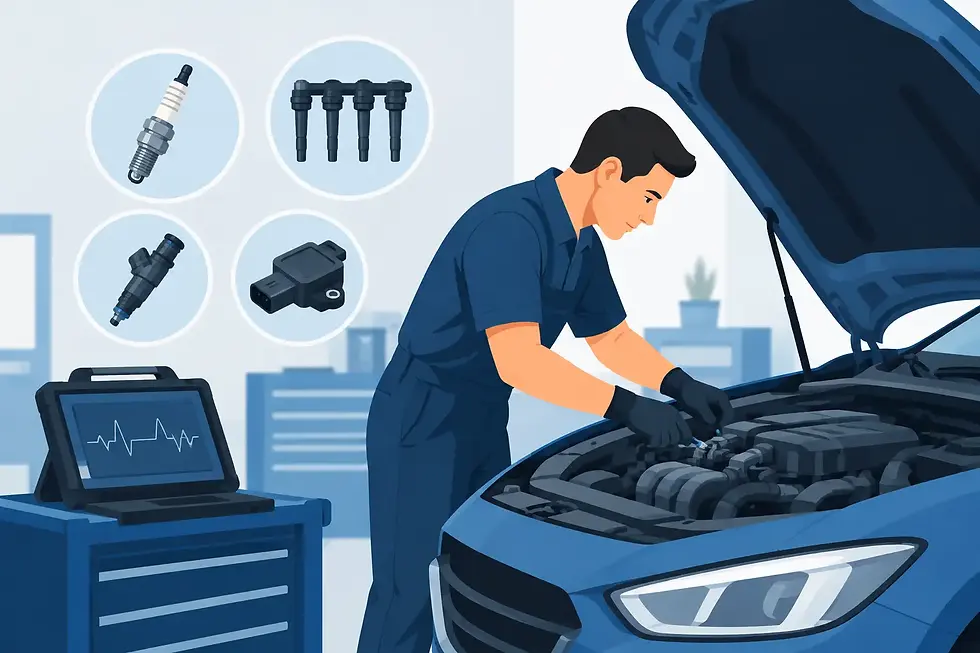
A proper inspection focuses on the vehicle’s safety, electrical systems and everyday wear items. Qualified mechanics can assess the condition of the brakes, tyres, suspension, steering, lights, wipers and cabin systems, as well as check for fault codes and manufacturer-required service items.
The high-voltage battery and related electrical components need careful handling. These systems should only be inspected or worked on by technicians with the right training, procedures and equipment. EVs carry high-voltage components that are not suitable for DIY repairs or guesswork.
Depending on the vehicle and its scheduled maintenance requirements, an EV service may include checks of:
Brake pads, discs, calipers and brake fluid
Tyres, tread depth, pressures, wheel condition and alignment wear
Steering, suspension, driveshafts and underbody components
Cooling systems used to manage the battery, motor or power electronics
Charging port, charge flap, cables and visible electrical connections
12-volt battery condition, lights, wipers and washer fluid
Cabin air filter, air-conditioning operation and diagnostic fault codes
Not every item will need replacement at each visit. The value of servicing is knowing what is in good condition, what needs attention now and what can be monitored for later.
Why EV brakes and tyres still need attention
One common assumption is that regenerative braking means EV brakes never wear out. Regenerative braking can reduce brake pad and disc wear, particularly in stop-start driving, but the conventional braking system is still essential. It needs to work properly when you have to stop quickly, drive in wet weather or carry a full load.
Because friction brakes may be used less often, surface corrosion can build up on discs, especially if the car mainly does short trips. Calipers can also become sticky over time. A service gives your mechanic the chance to inspect the system before a minor issue turns into uneven braking, noise or a failed inspection.
Tyres are another major consideration. EVs are often heavier than comparable petrol vehicles because of the battery pack, and instant torque can put extra demand on the tyres. Incorrect pressures, poor wheel alignment or worn suspension parts can shorten tyre life quickly. Keeping tyres in good condition helps with braking, handling, ride comfort and driving range.
The 12-volt battery is easy to overlook
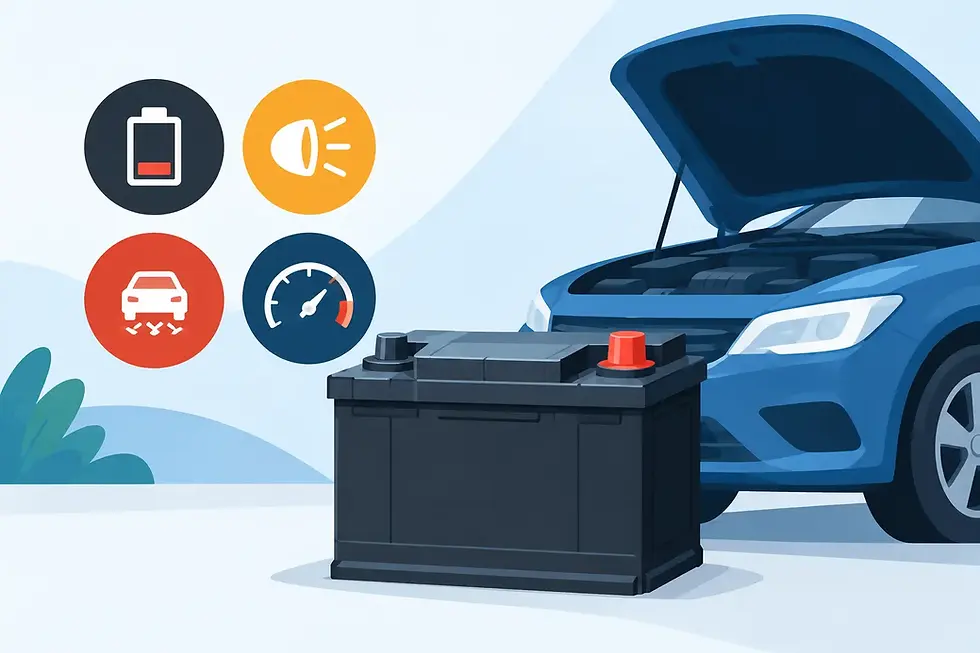
Even though an EV has a large traction battery, it still relies on a conventional 12-volt battery to run many low-voltage systems and allow the vehicle to start up correctly. When that battery weakens, the vehicle can display warning messages or fail to power on, even when the main battery has plenty of charge.
A 12-volt battery test is a sensible part of routine maintenance, particularly as the battery gets older. Replacing it before it fails can save you from being stranded in a car park, at home or before an early morning commute.
EV cooling systems are not a set-and-forget item
Many EVs use coolant circuits to control the temperature of the battery, drive motor and electronic components. Battery temperature management matters in Newcastle’s warmer months, during highway driving and when rapid charging. If a cooling system has a leak, contaminated fluid or a component fault, the vehicle may reduce performance or display a warning.
The exact cooling arrangement varies widely between makes and models. Some vehicles have multiple cooling circuits, while others use different methods for battery conditioning. That is why servicing should follow the manufacturer’s specifications for your particular car rather than applying a one-size-fits-all approach.
Warranty-safe EV servicing matters
If your EV is still covered by a manufacturer warranty, keeping up with the scheduled service requirements is essential. Independent servicing can be a practical alternative to dealership servicing when the work is carried out correctly, using appropriate parts and fluids, and documented in line with the manufacturer’s schedule.
Keep your invoices and service records. They provide a clear maintenance history, support future resale value and make it easier to show that required work has been completed. If your vehicle has a specific software update, battery campaign or manufacturer recall, that work may need to be completed through the vehicle manufacturer or an authorised dealer.
There can also be separate warranty conditions for the high-voltage battery, charging hardware and vehicle systems. Before booking, check your log book or digital service schedule and let the workshop know the exact make, model and year of your EV. That helps ensure the right service is planned from the start.
When should you book EV servicing in the Newcastle area?
Your owner’s manual or digital service reminder is the first place to check. Some EVs are due for servicing every 12 months, while others have different time or kilometre intervals. Even low-kilometre vehicles should not be ignored. Brake fluid, tyres, cabin filters, air-conditioning and 12-volt batteries all age with time, not just distance travelled.
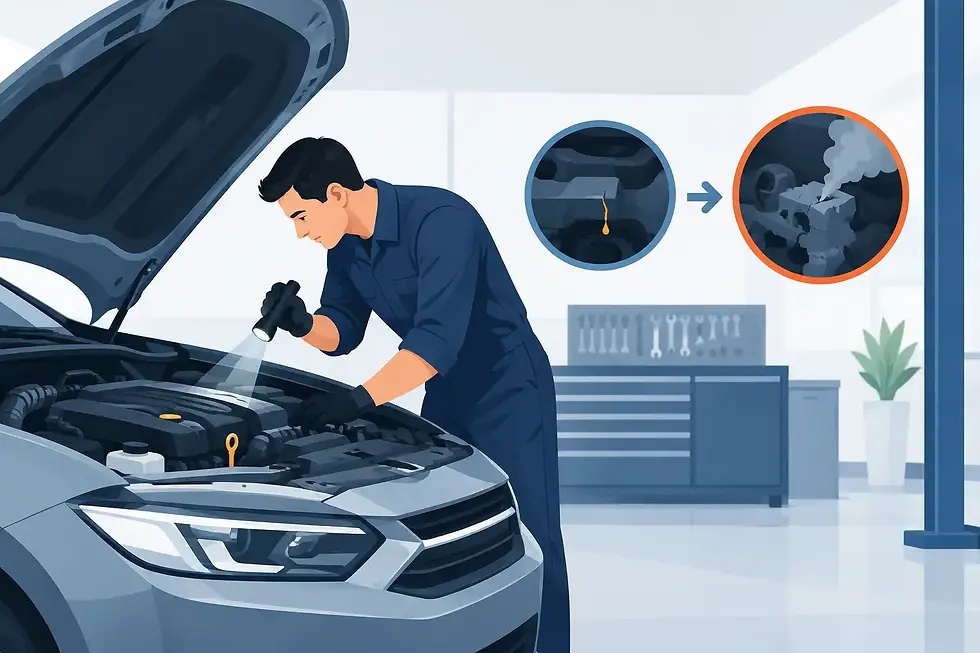
Book sooner if you notice a warning light, reduced driving range, unusual tyre wear, brake noise, steering vibration, fluid under the vehicle or a charging issue. A change in charging behaviour does not always mean there is a major fault, but it is worth investigating before it affects your daily routine.
For used EV buyers, an inspection before purchase is particularly worthwhile. Battery condition is only one part of the decision. The tyres, brakes, suspension, charging equipment, service history and signs of accident damage can all affect what the car will cost to own after you take it home.
Choose a workshop that asks the right questions
The best EV service starts before the vehicle arrives. A workshop should ask about your vehicle model, service history, warning messages and the work you need done. This allows the technician to confirm the right scope of work and advise if specialist manufacturer equipment or dealer support is required.
Scott Forbes Automotive provides practical vehicle servicing and repairs for local drivers, with straightforward advice on what your car needs and what can wait. For EV owners, that means a careful approach to routine maintenance, safety checks and the systems that keep the vehicle dependable on the road.
Do not wait for a warning light or a flat 12-volt battery to force the issue. Book servicing around your vehicle’s schedule, ask clear questions and keep the records that protect your car, your warranty and your peace of mind.
Comments